Mend’s physical therapists are board-certified, with fellowship training among our most experienced clinicians. Meet the team driving these results.
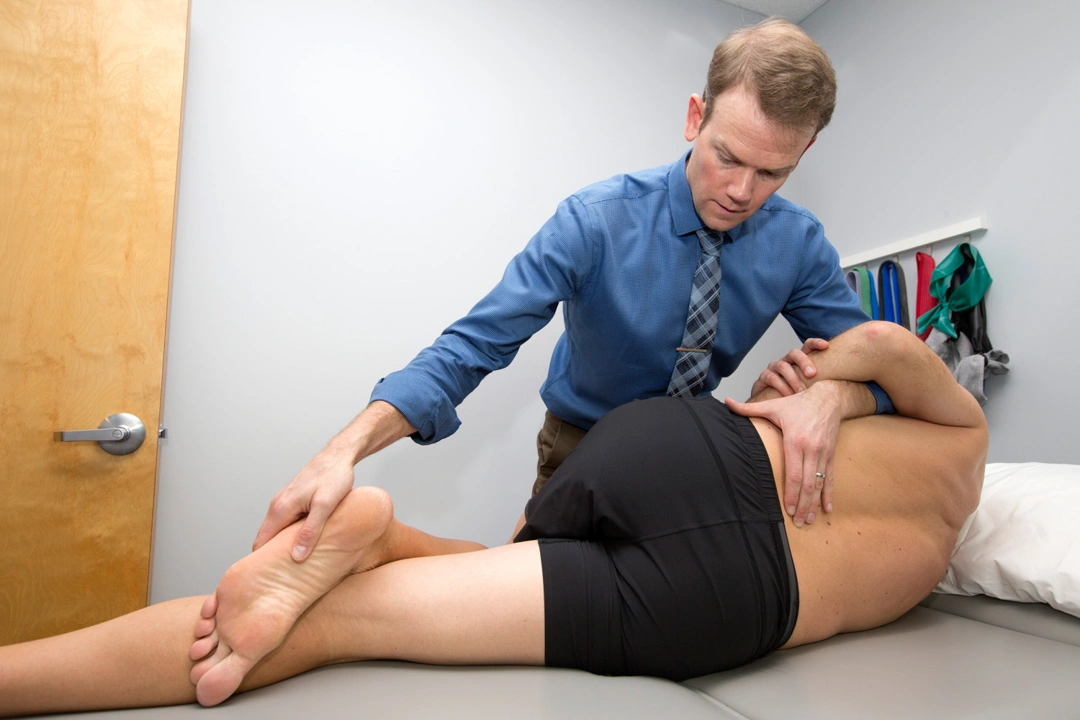
Persistent low back pain isn’t something to push through. We diagnose the true source and build a plan to get you back on the trails, pain-free.
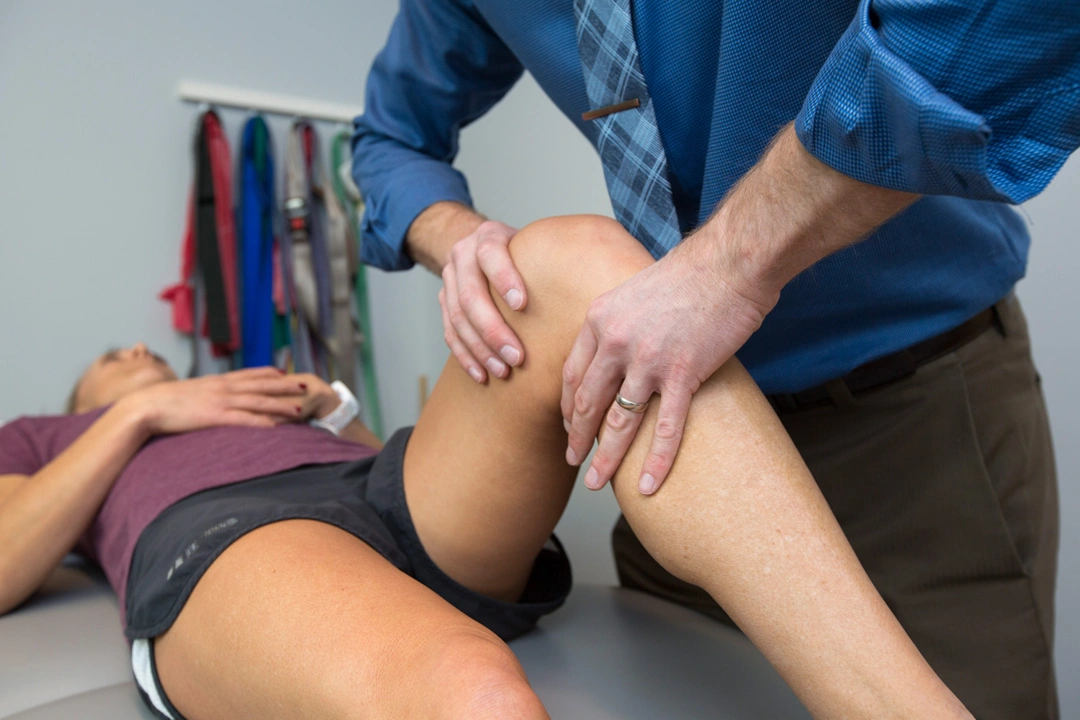
From neck and shoulder pain to elbow and wrist injuries, our board-certified specialists treat the root cause, not just the symptom.

Pelvic floor dysfunction is common and treatable. We treat pain, incontinence, and prolapse in men and women, from pregnancy through every stage of life.
From weekend warriors to competitive athletes, we treat sports injuries at every level and get you back to training, not just out of pain.
Physical therapy isn’t only for injury. Build bone density, join a PT-led fitness class, train one-on-one with a Doctor of Physical Therapy, or push toward peak athletic performance.

A women’s strength class co-led by a board-certified physical therapist, designed for perimenopause and GLP-1-related muscle loss, with lasting gains in metabolic, cardiovascular, and bone health.
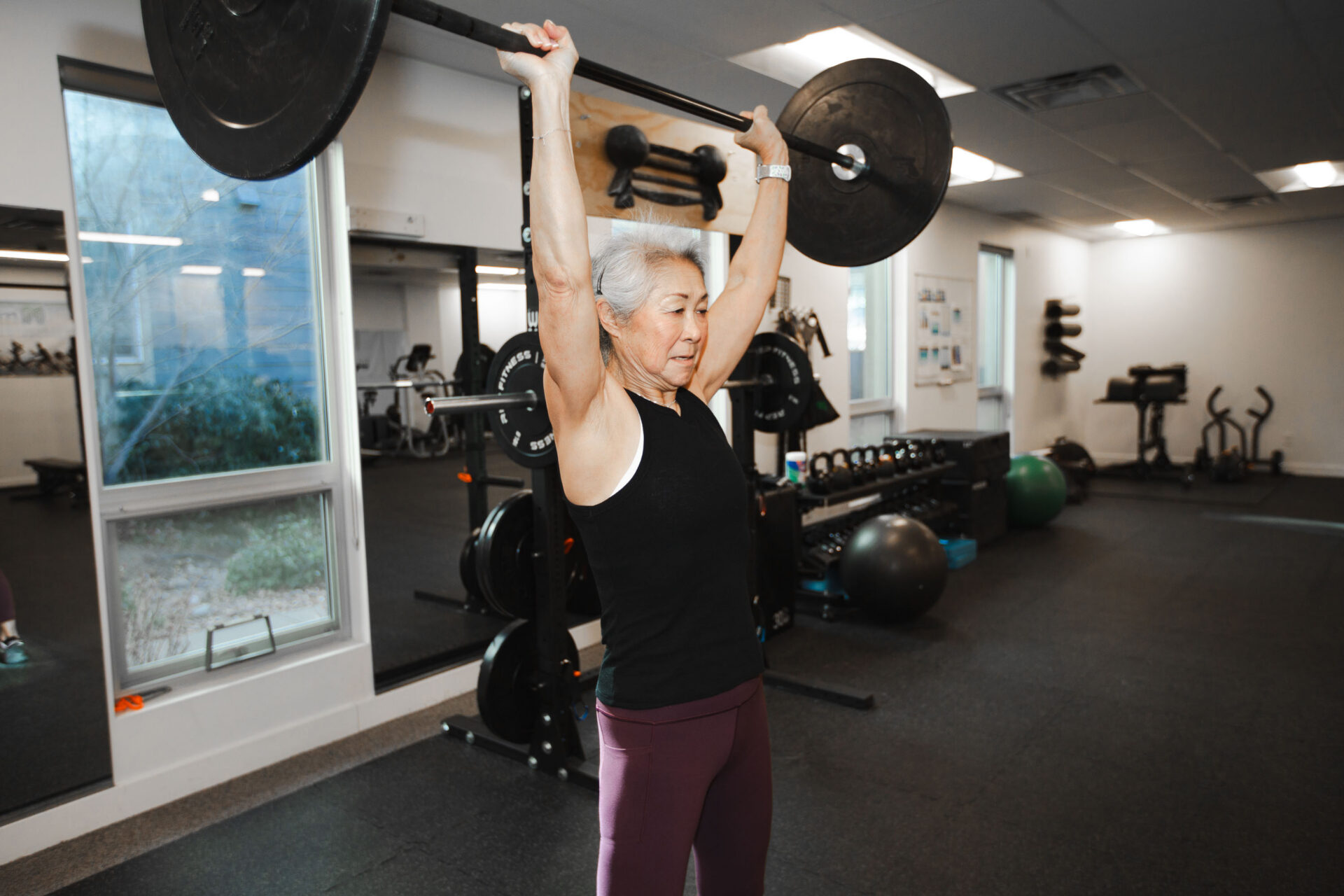
10 million Americans over 50 have osteoporosis, and up to 40% of women will fracture a bone as a result. High-intensity strength training can rebuild bone density at any age.
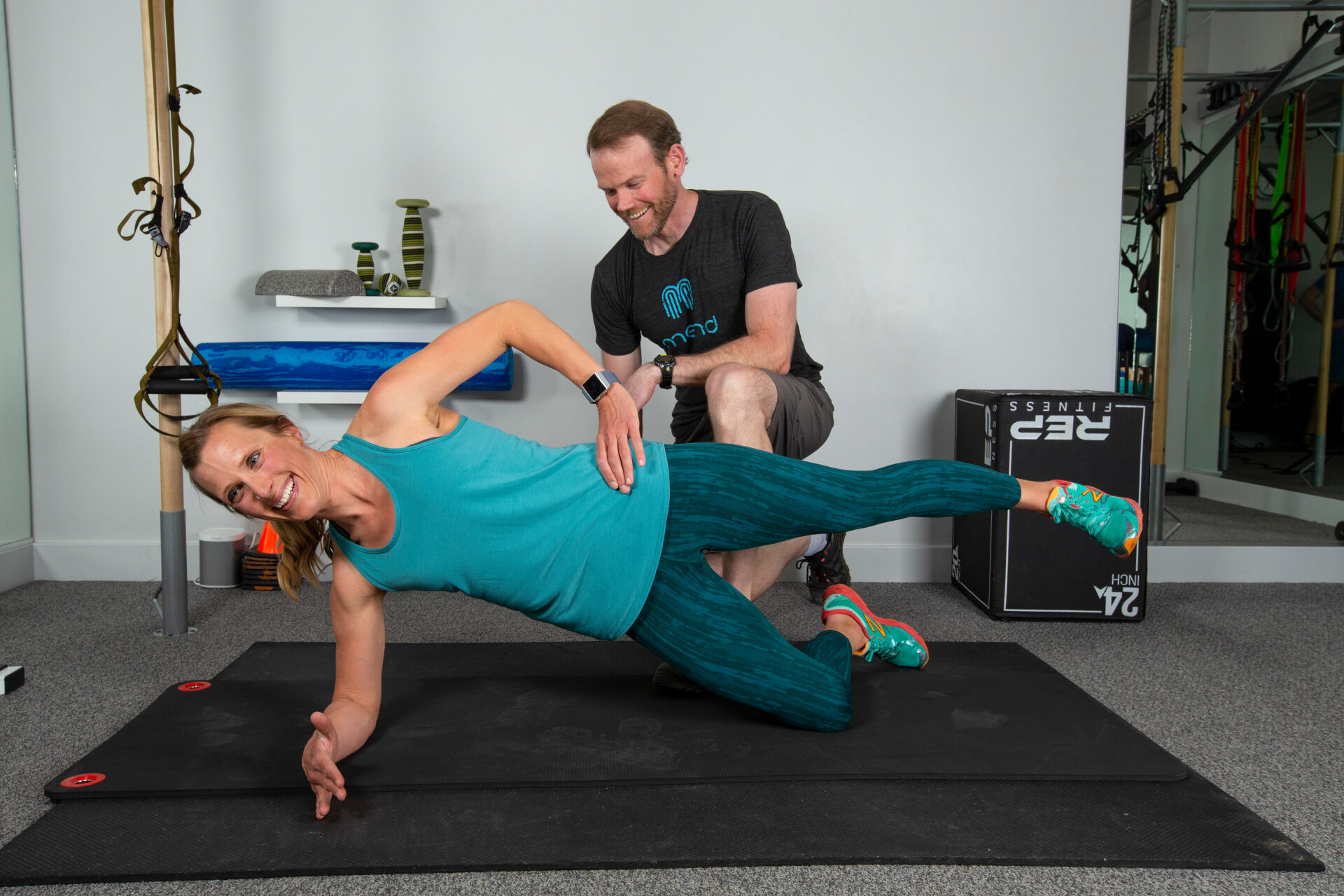
One-on-one training led by a Doctor of Physical Therapy, not just a certified trainer. Build strength safely whether you’re recovering from injury or chasing your next outdoor goal.
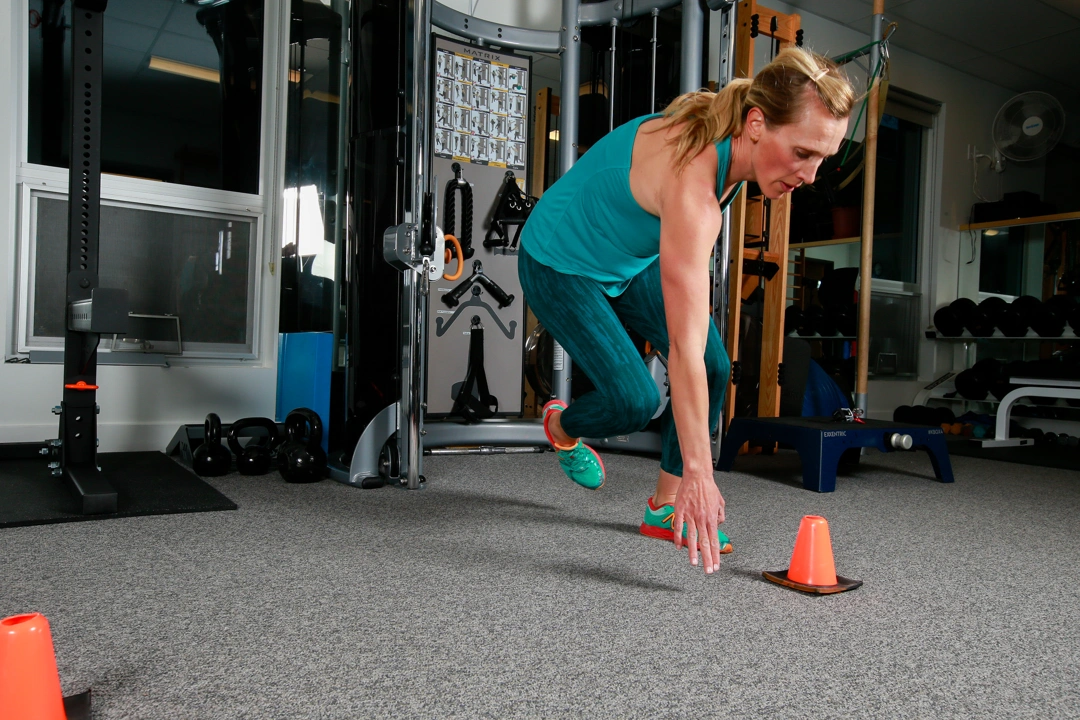
We bridge the gap between rehab and performance, taking you from recovering an injury to training at your peak, whether you’re a weekend warrior or a competitive athlete.
Pain relief starts with the right method. We combine hands-on manual therapy, dry needling, and individualized exercise to treat what’s actually causing your pain.
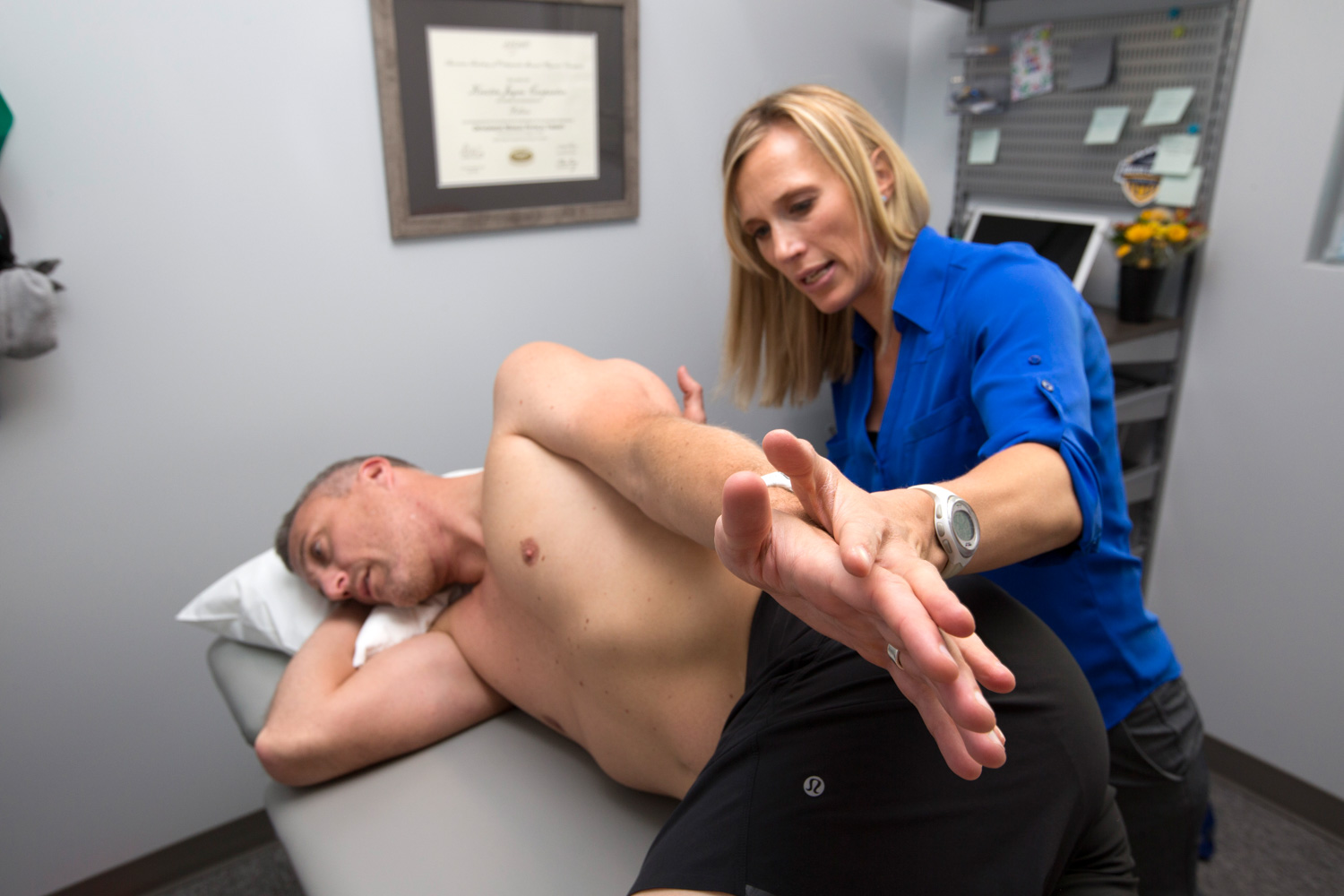
Every clinician at Mend has completed a fellowship in manual therapy, placing them in the top 1% of the field. Hands-on treatment paired with exercise speeds recovery beyond exercise alone.

A thin, sterile needle targets trigger points causing headaches, neck and back pain, and jaw pain. We use it alongside manual therapy and exercise, never on its own.
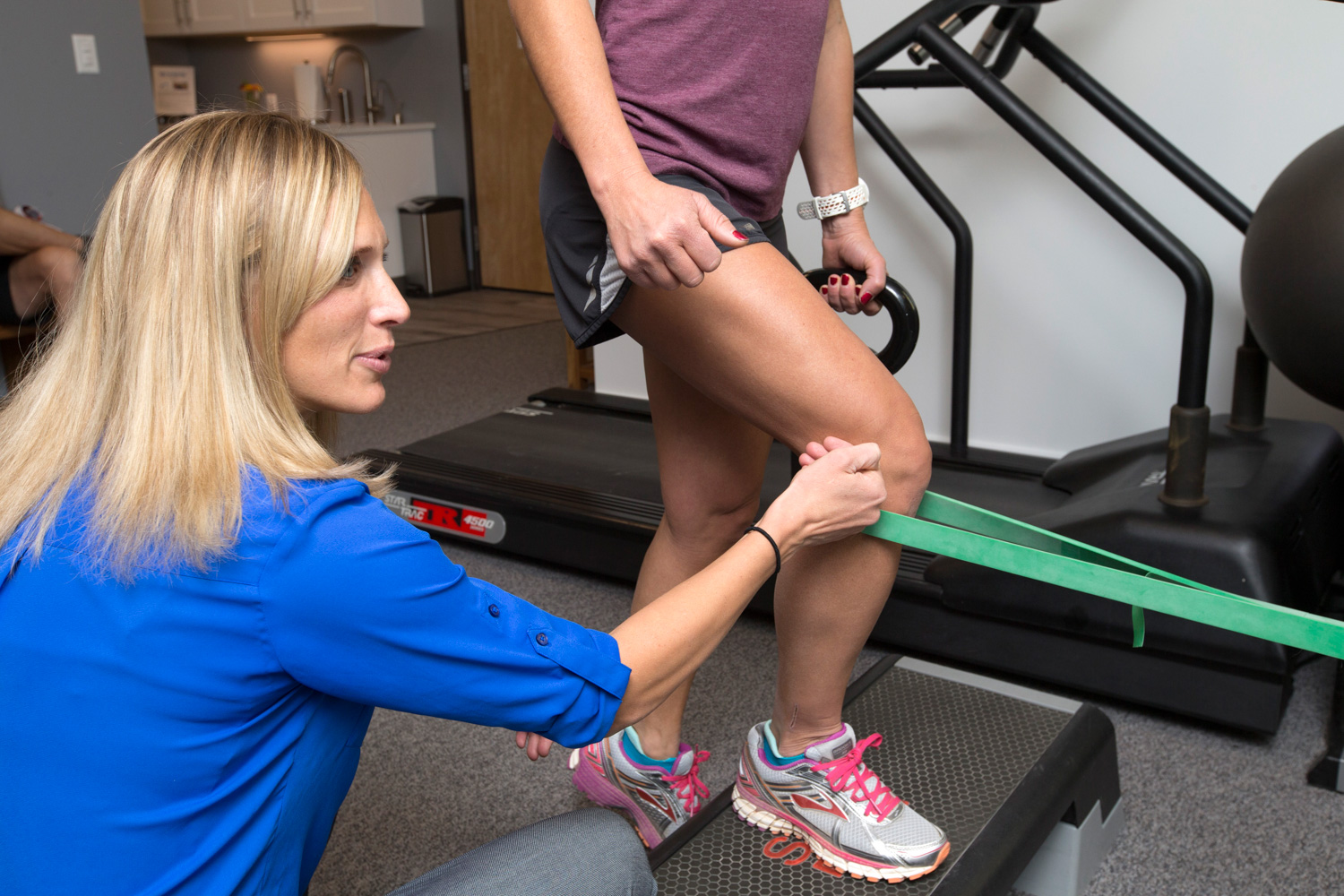
Strength training can lower your risk of re-injury by 66%. We build your program in stages, from mobility work through progressive strengthening, based on your specific condition.
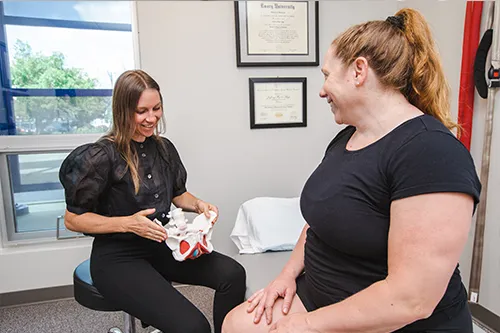
Hands-on pelvic floor treatment addresses pain, incontinence, and muscle dysfunction directly. It’s a targeted technique, not a general wellness approach, delivered by clinicians trained specifically in pelvic health.
Our fellowship trained, Doctors of Physical Therapy are in the top 1% of their field. Research shows optimal outcomes, fewer visits, and a cost savings of $1500 per episode of care when your care is provided by expert level clinicians.
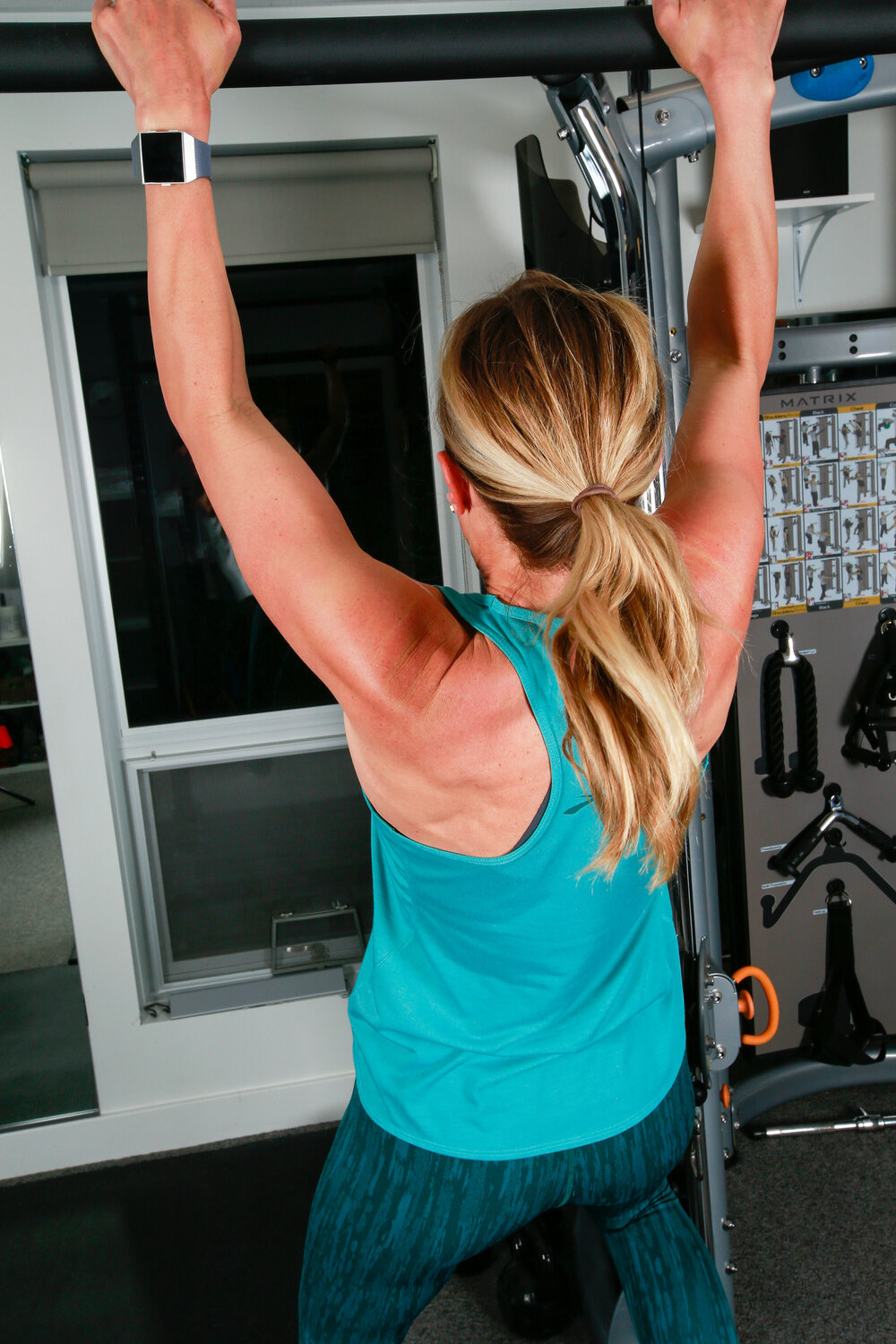
Individualized Care Provided By Expert Clinicians.