
Blog

Told Your SI Joint Is Out of Alignment? Read This

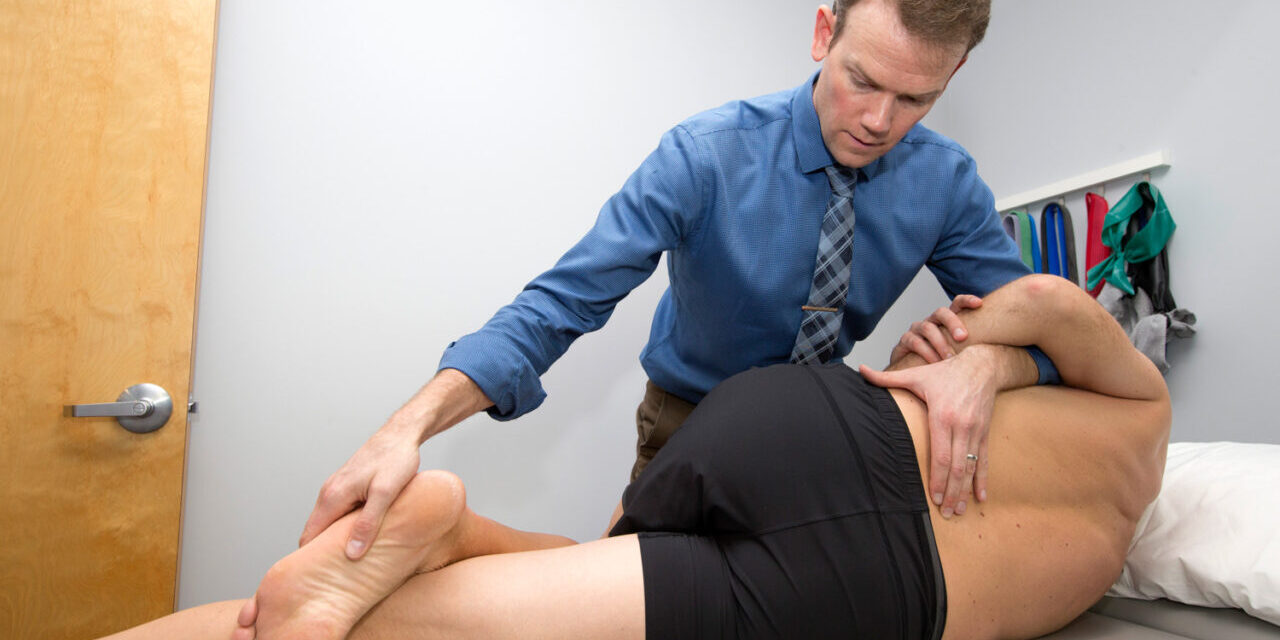
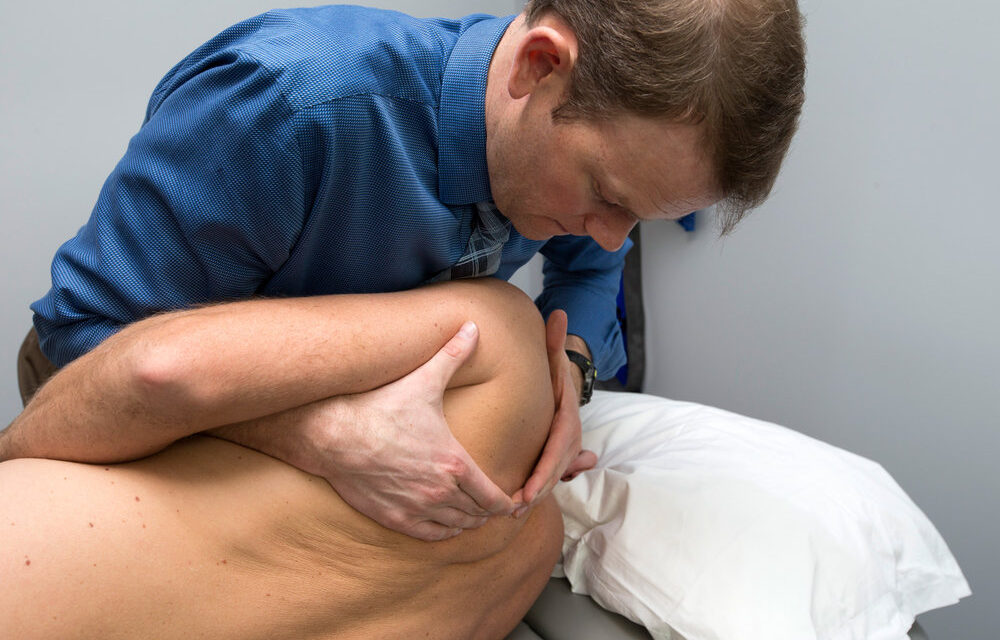
If a clinician has told you your sacroiliac (SI) joint is “out of alignment,” “rotated,” or “unstable,” that language matters more than you might think, and not in a good way. In Boulder County, we’re seeing a resurgence of clinicians using outdated tests to explain low back, hip, and even distant pain by way of...
Is Spinal Manipulation Effective for Sciatica?

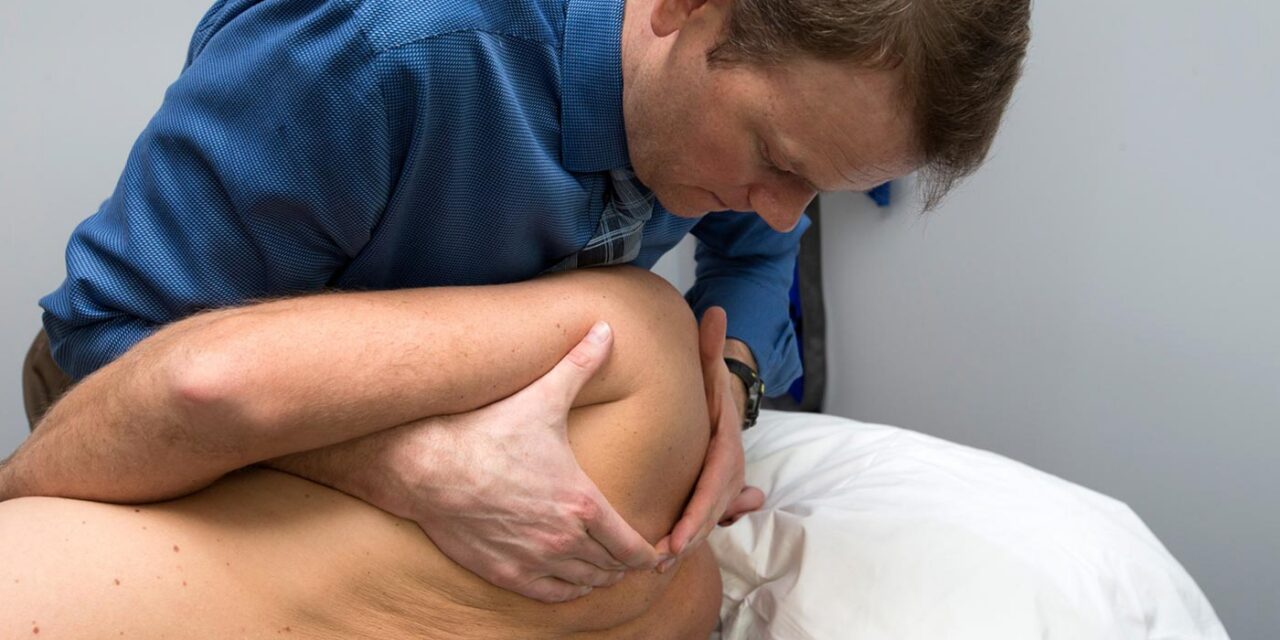
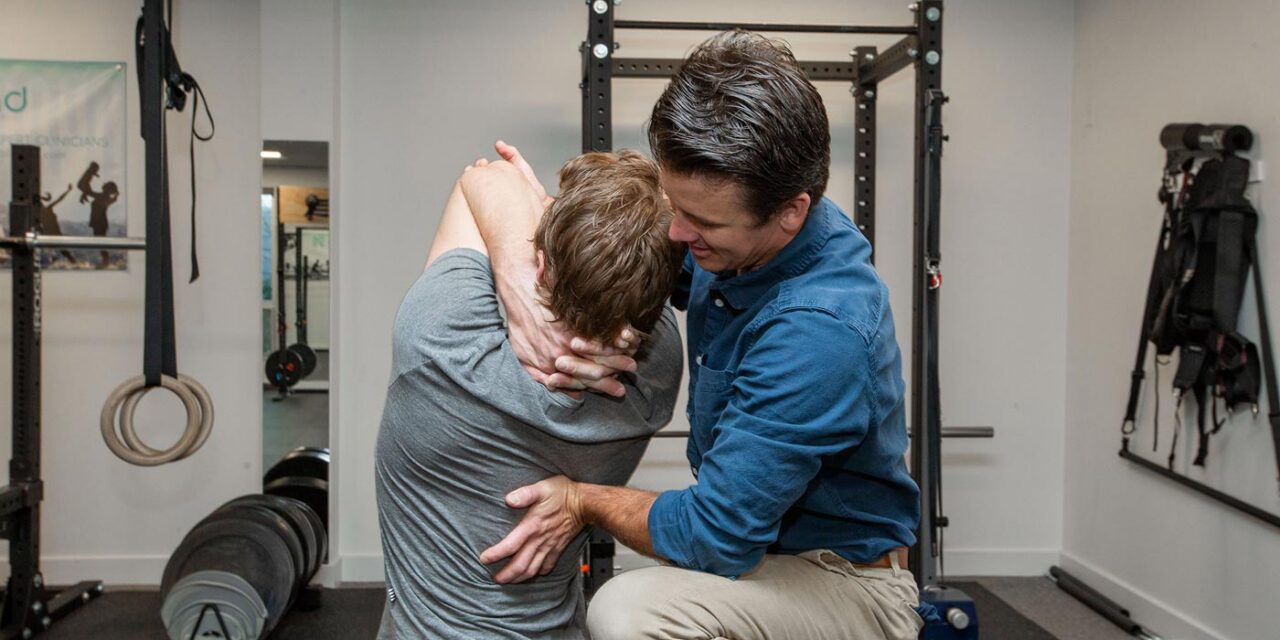
Sciatica is an umbrella term for leg symptoms, pain, numbness, or tingling, caused by irritation or compression of a nerve root as it exits the spine. Most cases resolve with conservative care, and in our Boulder and Lafayette clinics, that usually means a combination of focused exercise, dry needling, and manual therapy. Spinal manipulation is...

Does Spinal Manipulation Need to Be Specific?

If your physical therapist tells you a segment in your low back or neck is stiff, it is fair to ask whether the manipulation has to land on that exact segment. Clinicians were long taught to find the restricted joint and aim straight at it. Two systematic reviews and one randomized trial have since tested...

Why Your SI Joint Is Rarely the Real Problem

The sacroiliac (SI) joint gets blamed for a lot of pain it probably isn’t causing. It’s not that clinicians are acting in bad faith. It’s that once you’re trained to look for something, confirmation bias makes it easy to keep finding it, even when the evidence says it’s uncommon. A Joint Built Not to Move...

Spinal Manipulation for Non-Musculoskeletal Conditions

Spinal manipulation has a solid evidence base for musculoskeletal pain: our articles on manipulation for low back pain and the best treatments for low back pain cover that research directly. The evidence looks very different once you move outside pain and mobility conditions and into the theory that manipulating the spine can influence internal organs...

Why Does My Neck Pain Improve After Spinal Manipulation?

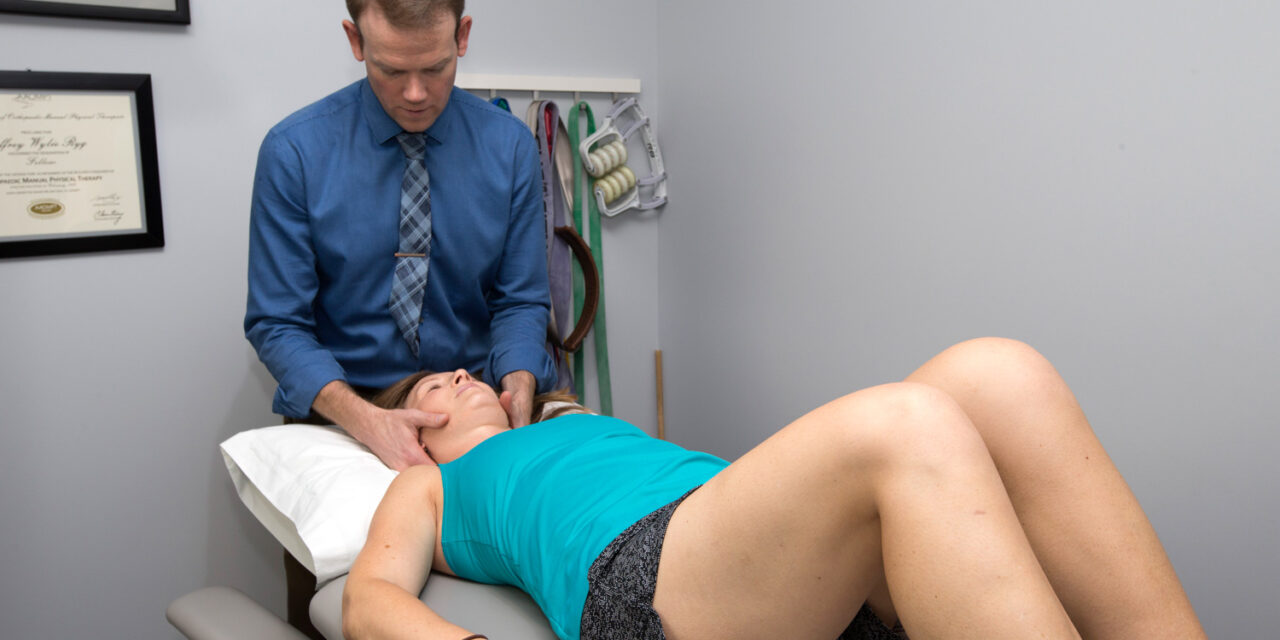
Spinal manipulation dates back to Hippocrates and ancient Egyptian medicine, but the explanation for why it helps has changed more recently than the treatment itself. Patients often describe it the same way: “my spine was out of place, and the manipulation put it back.” Research has disproven that theory. Imaging taken before and after a...

Why Treating Your Upper Back Helps Shoulder Pain

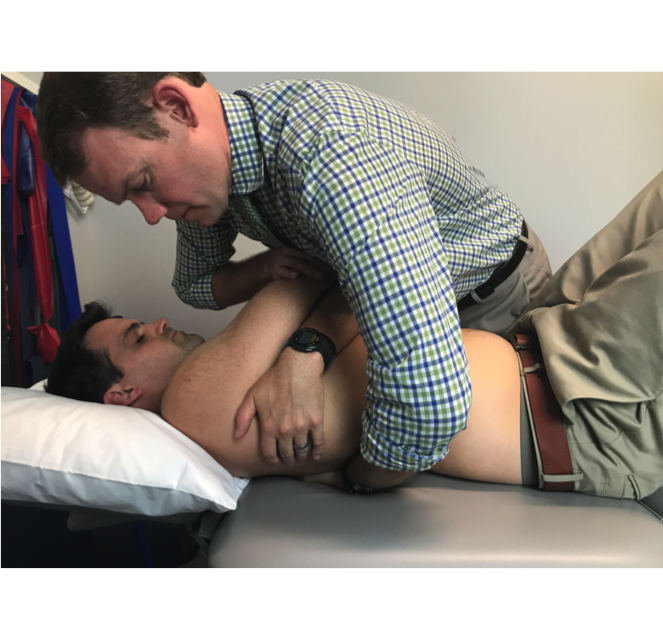
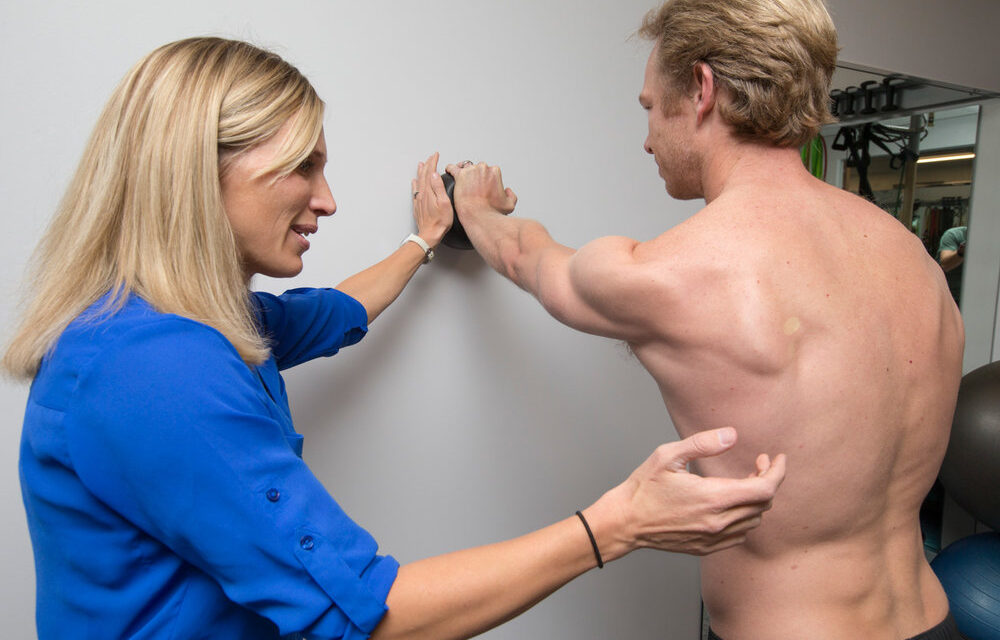
By Jeff Ryg, PT, DPT, OCS, FAAOMPT If you came in for shoulder pain and your physical therapist started working on your upper back, there’s a reason. The thoracic spine takes part in every overhead movement you make, and thoracic manipulation is one of the quickest ways to reduce shoulder pain in the first few...

How Physical Therapy Treats Shoulder Impingement

If your shoulder pinches when you press overhead, reach for a high hold, or roll onto it at night, there’s a good chance someone has called it impingement. It’s the most common diagnosis behind shoulder pain, and it is also one of the most treatable without surgery. The research points to a consistent plan: specific...