Blog

Have Flat Feet? Exercise vs. Orthotics

Pes planus, otherwise known as flatfoot, is a common condition experienced by many individuals that is often associated with plantar fasciitis and development of knee and hip pain. Foot orthotics are commonly prescribed as a first line intervention for individuals with pes planus, but the research shows that short foot exercises should be included as...

The Best Breathing Exercise For Your Pelvic Floor

Breathing has become an industry in this country. Books, apps, and countless health articles revolve around the various styles of breathing, all boasting the mental and physical benefits that can be unlocked with different techniques. As pelvic health physical therapists in Boulder County, we often assess a patient’s breathing pattern during our first evaluation and...

  Time is one of the finite resources in life and is reported as the main barrier by individuals who do not reach the national guidelines for exercise minutes each week. Each portion of a weekly exercise program should be evaluated for both health and fitness, as well as, injury prevention benefits. Static stretching consistently...

What Exercise Can I Do While Pregnant?

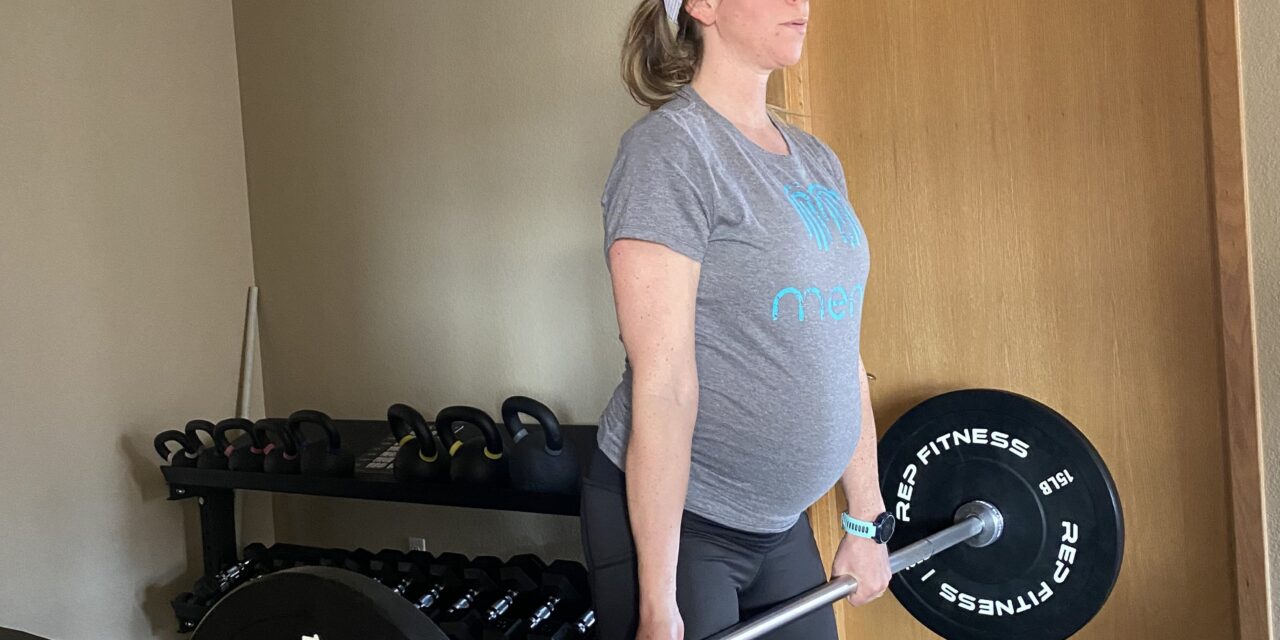
Fewer than 15% of pregnant women get the recommended 150 minutes of moderate intensity exercise per week. There is a lot of fear out there regarding if and what exercise is safe during pregnancy. You can run! You can lift (even heavy)! You can do abdominal exercises! You can do hanging exercises! You can and...

Top 5 Postpartum Exercises to Start Right Away

It is a misconception that postpartum recovery and postpartum exercise cannot begin until after your 6 week follow up with your OB. While postpartum recovery occurs in phases, there are some exercises you can begin right away to accelerate your recovery and prevent future dysfunction. The following exercises are applicable whether birth was a vaginal...

  Tendon injuries are one of the most common sports injuries seen in our Lafayette and Boulder Physical Therapy clinics. Most often overuse in nature, tendon injuries can significantly limit an individual’s ability to perform their daily and recreational activities. Tendinopathy, formerly known as tendinitis, describes the chronic cellular chemical and structural changes that occur...

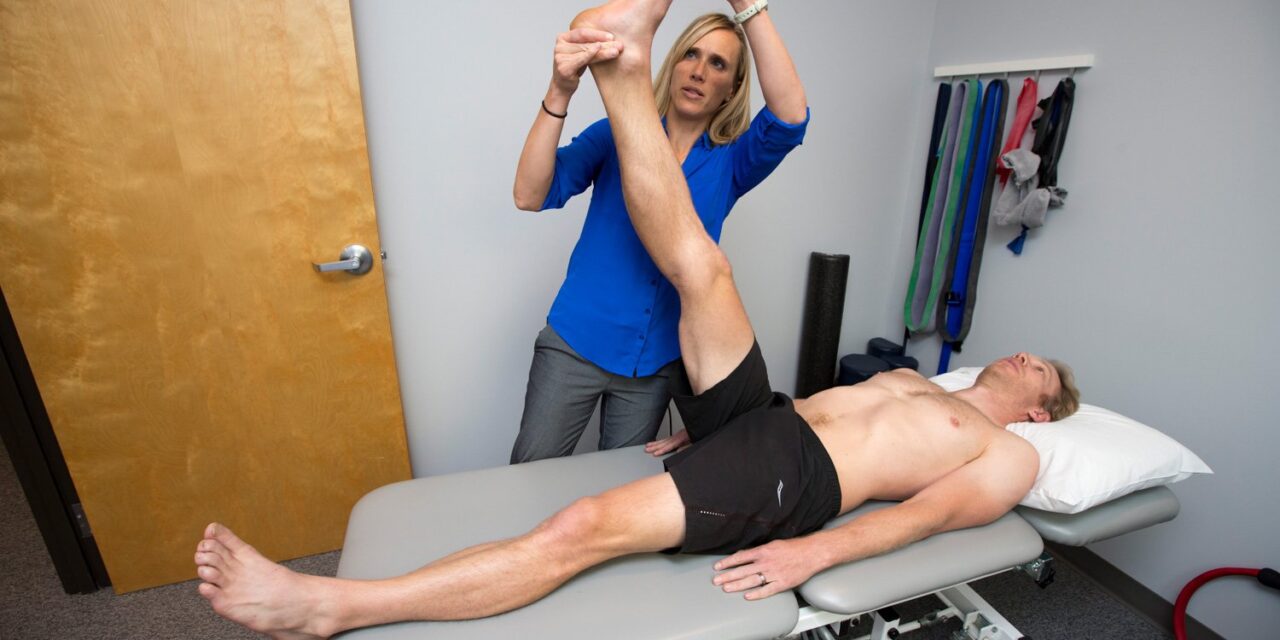
Hamstring injuries, strains, are one of the most common injuries in the lower extremity. These muscles cross both the hip and knee joint making them susceptible to strains during high speed movements such as sprinting, jumping, cutting, and kicking. Of the three hamstring muscles, the biceps femoris is the most commonly injured among athletes. Authors...

A frequent question of pregnant patients is, “how do I actually push during labor”? If they ask friends, they will often get the answer, “well in the moment you just know what to do”. If they ask the internet, there are even more vague and varied answers. So let’s discuss the best biomechanics and research...

Plyometrics have been utilized in late stage Physical Therapy and strength and conditioning programs for decades. These jumping and bounding movements are initially attributed to the Russian track and field coach Verkhoshanski in the 1960s as shock or jump training. The term plyometrics is attributed to Purdue University track and field coach Fred Wilt in...