Blog

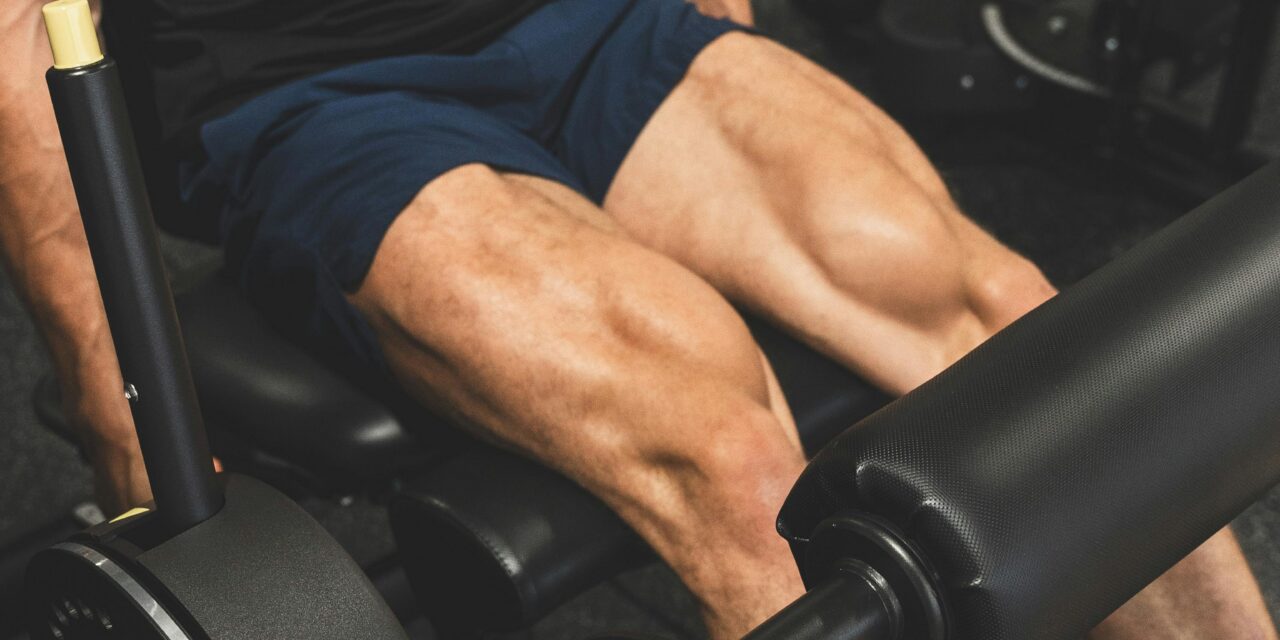
Knee arthritis remains one of the most common diagnoses leading to disability in middle to older aged adults. Patients commonly experience joint stiffness, pain, and weakness leading to decreased participation in the activities they enjoy. Strength training and aerobic exercise remain the most powerful interventions for these patients. Stronger muscles help dissipate the forces placed...

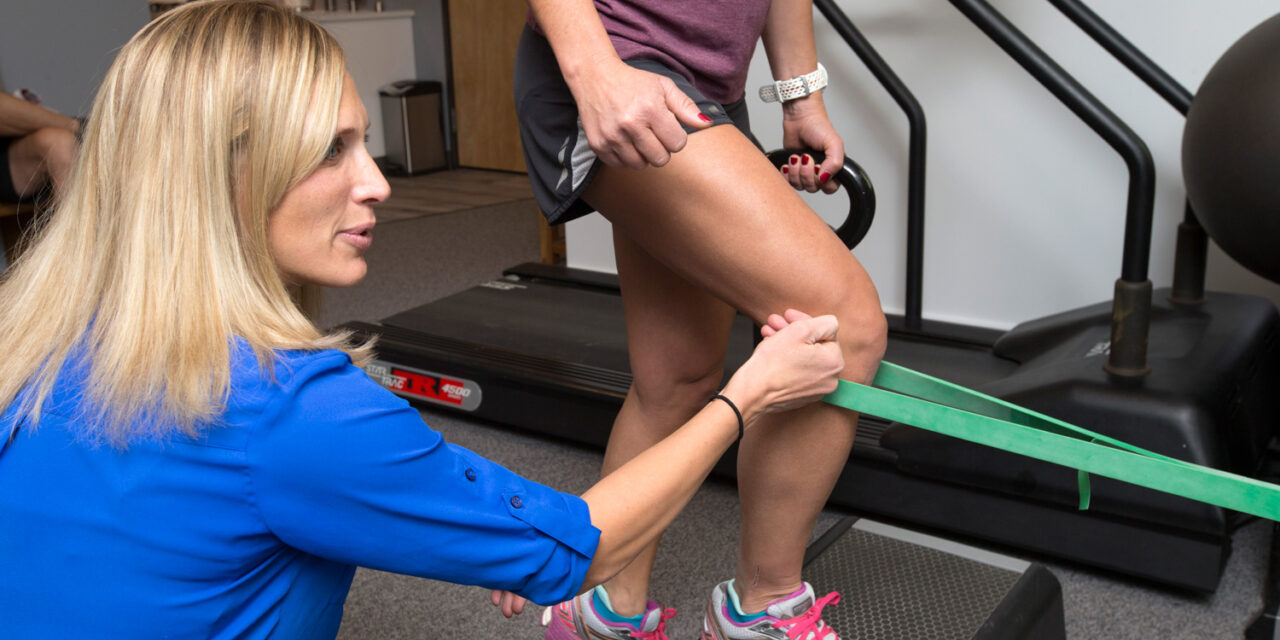
Patellofemoral pain, or pain around the kneecap, is one of the most common types of knee pain we treat at MEND. It impacts up to 23% of the general population and 40% of those people have persistent symptoms that can last for years! Exercise programs targeting the hip and the knee have been proven effective...

Knee arthritis is a common condition among older adults and remains one of the greatest causes of disability in our country. Consistent with many musculoskeletal conditions there remains a disconnect between imaging findings and a patient’s clinical presentation. Studies have shown many patients without knee pain can have signs of arthritis on their x rays....

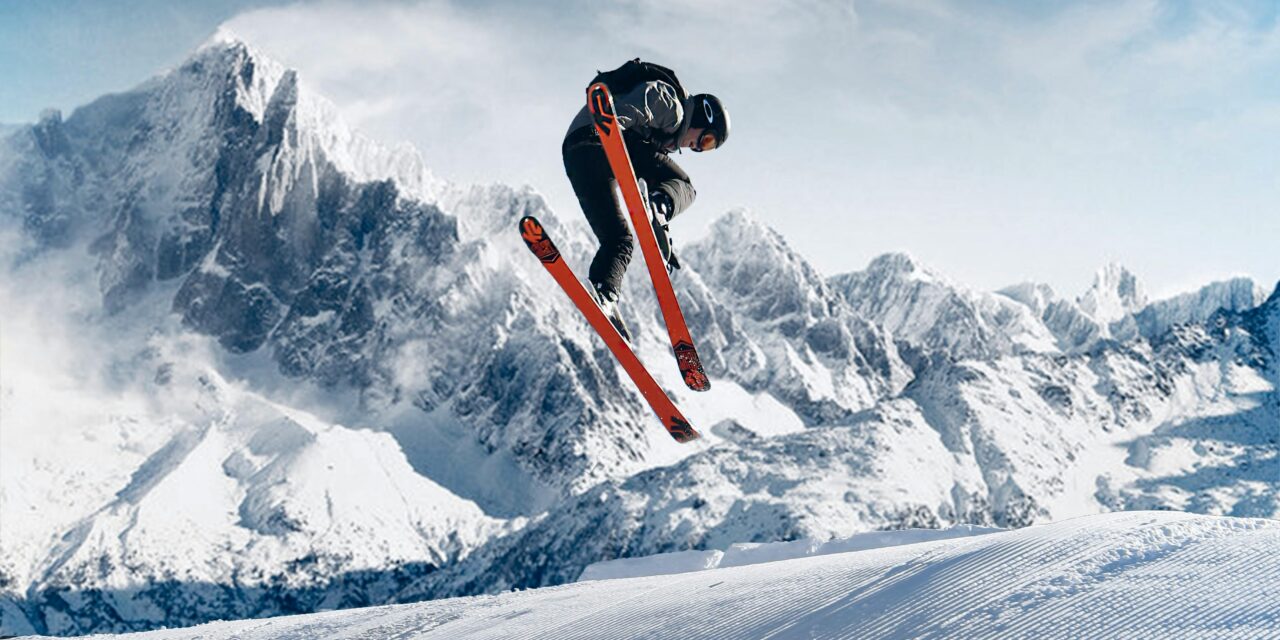
How Is The Recovery After An ACL Tear While Skiing?

ACL injuries are among the most common serious knee injuries in alpine skiing because the sport combines speed, uneven terrain, and sudden directional changes that place rotational stress on the knee. When a skier falls with the ski fixed in the snow as the body continues to rotate, the anterior cruciate ligament (ACL) can tear....

Knee Sleeves and Weight Belts: Help or Hype?

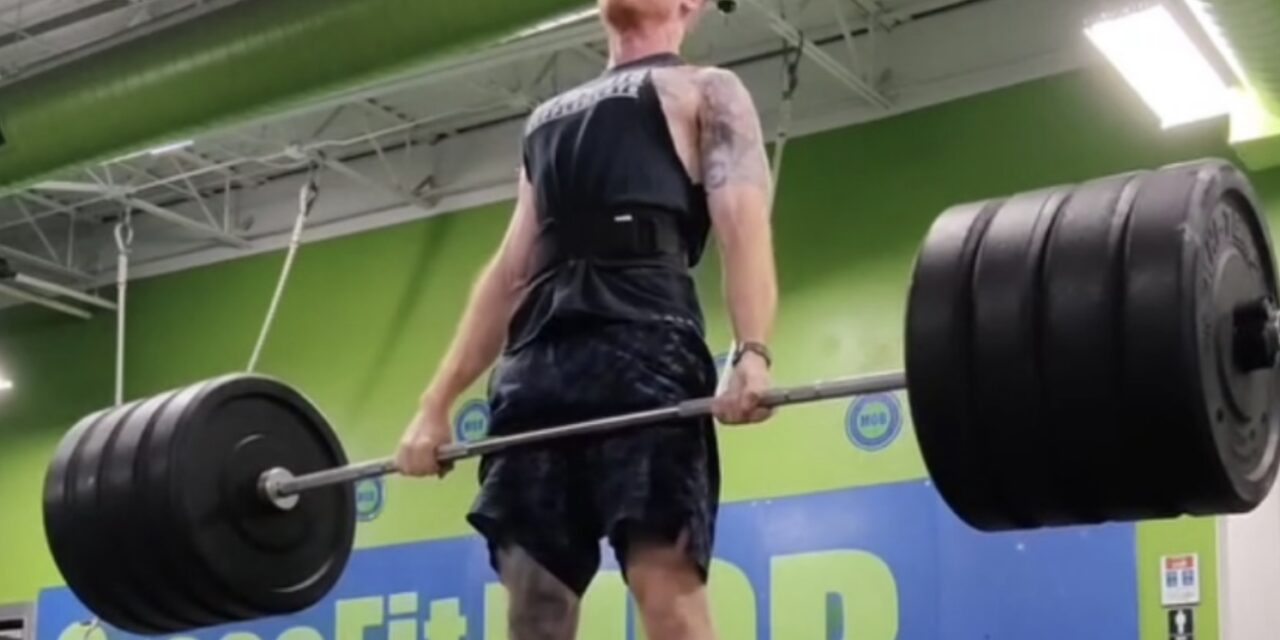
By: Ian Nay, PT, DPT, OCS There is a clear psychological component with both knee sleeves and belts. Athletes consistently report improved confidence and a greater sense of stability when using them. That matters. In both Physical Therapy and strength training, perception influences output. If a sleeve or belt allows you to train with less...

Patellar tendinopathy, commonly known as “jumper’s knee,” is one of the most frequent chronic knee injuries in tennis and racquet sport athletes. The repetitive, high-impact nature of tennis—especially during sudden stops, lateral movements, and explosive jumps—places a lot of strain on the knees. This makes tennis players more susceptible to patellar tendinopathy.  Previously referred to...